How Technology Is Helping Disability Support Providers Deliver Better Care in 2026
Modern technology is helping Australian disability support providers improve communication, accessibility, scheduling, participant care, and operational efficiency while maintaining compassionate human support.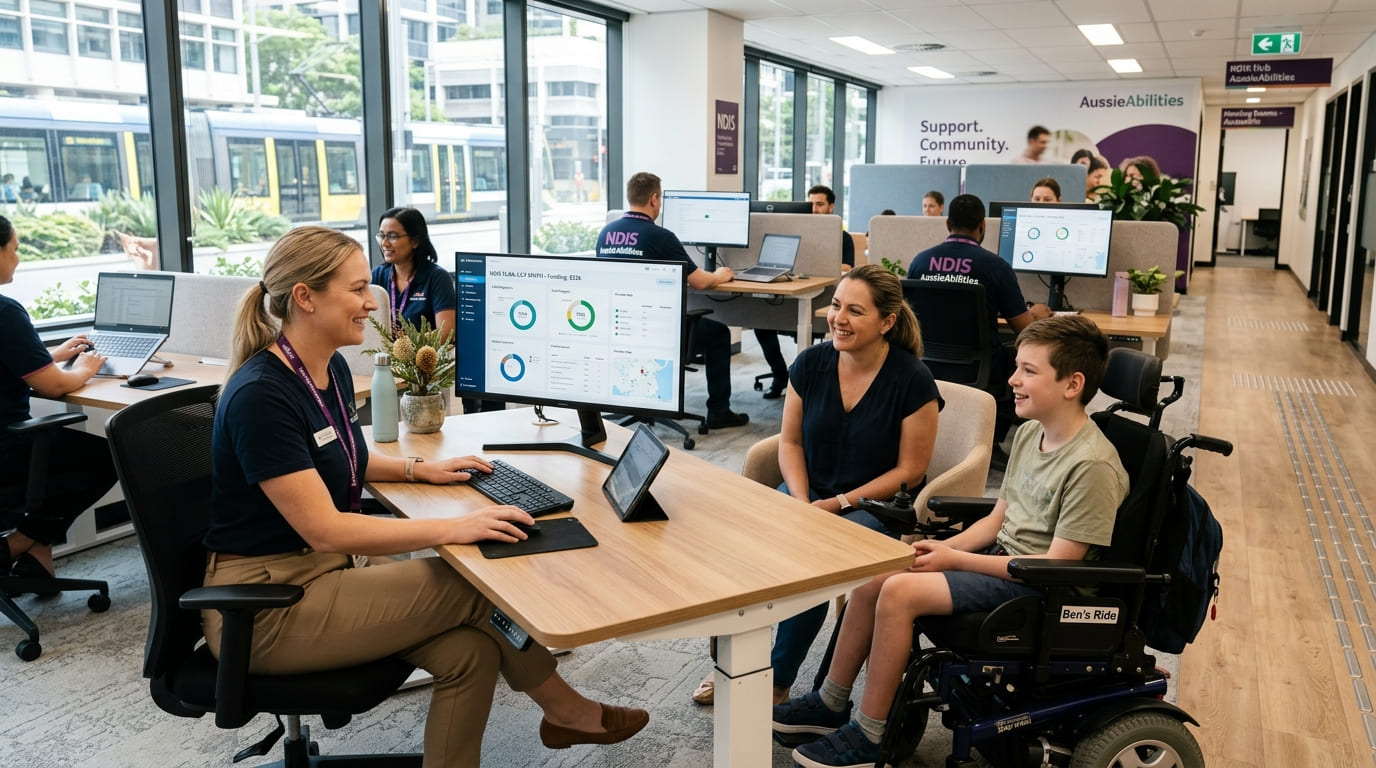
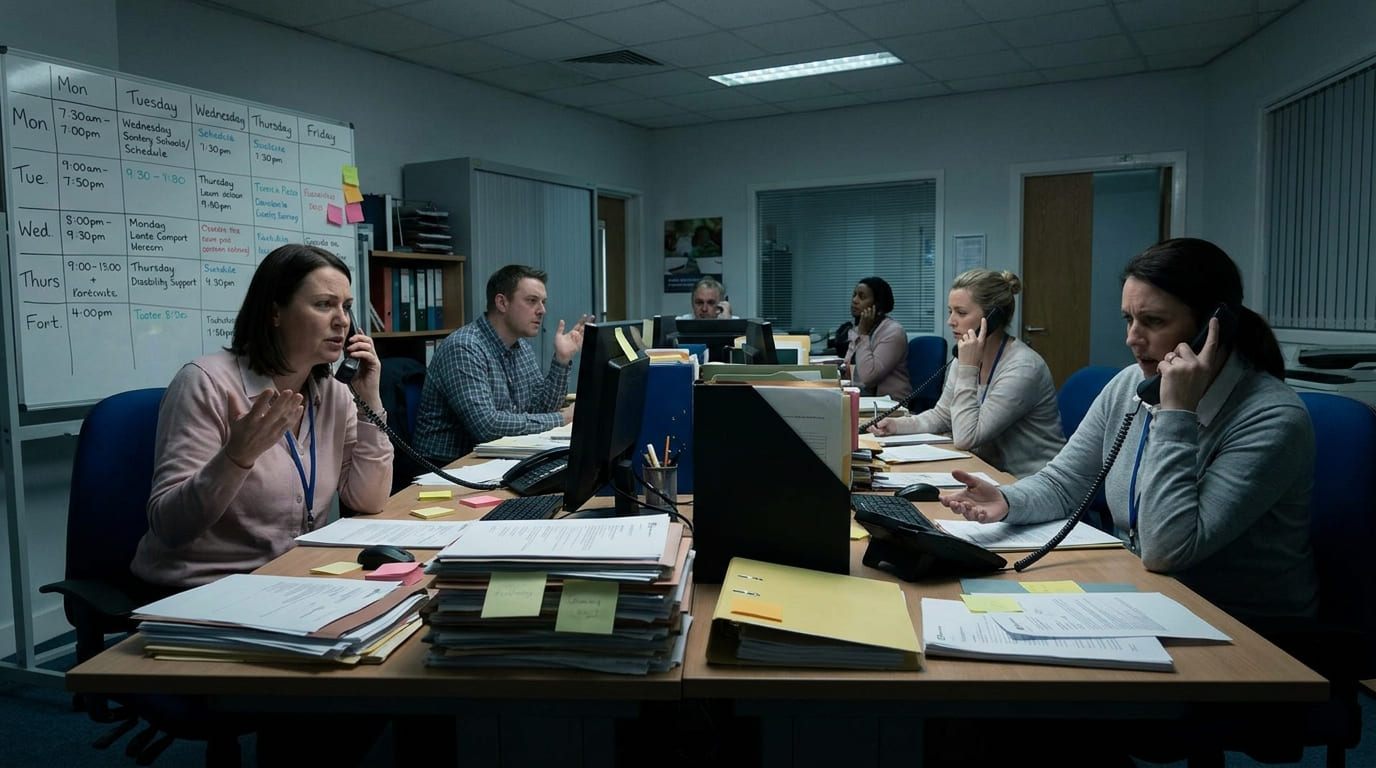
For many disability support providers, communication management has quietly become one of the most demanding parts of daily operations.
As organisations grow, support coordinators and care teams often spend large parts of the day returning missed calls, updating schedules, relaying participant information between staff members, and responding to urgent family inquiries.
During busy periods, even small communication delays can create confusion, duplicate work, and unnecessary stress for both families and support workers.
Across Australia, many providers are now adopting modern digital systems to reduce these operational pressures while improving the overall participant experience.
Importantly, most organisations are not trying to replace human support with automation. Instead, they are using technology to improve responsiveness, reduce repetitive administrative tasks, and help staff focus more time on participant care.
Technology Supports Human Care — Not Replacing It
Better systems often allow support workers to spend less time managing administrative pressure and more time focusing directly on participants.
24/7
Digital communication accessibility
Faster
Scheduling and participant coordination
Better
Participant experience and family trust
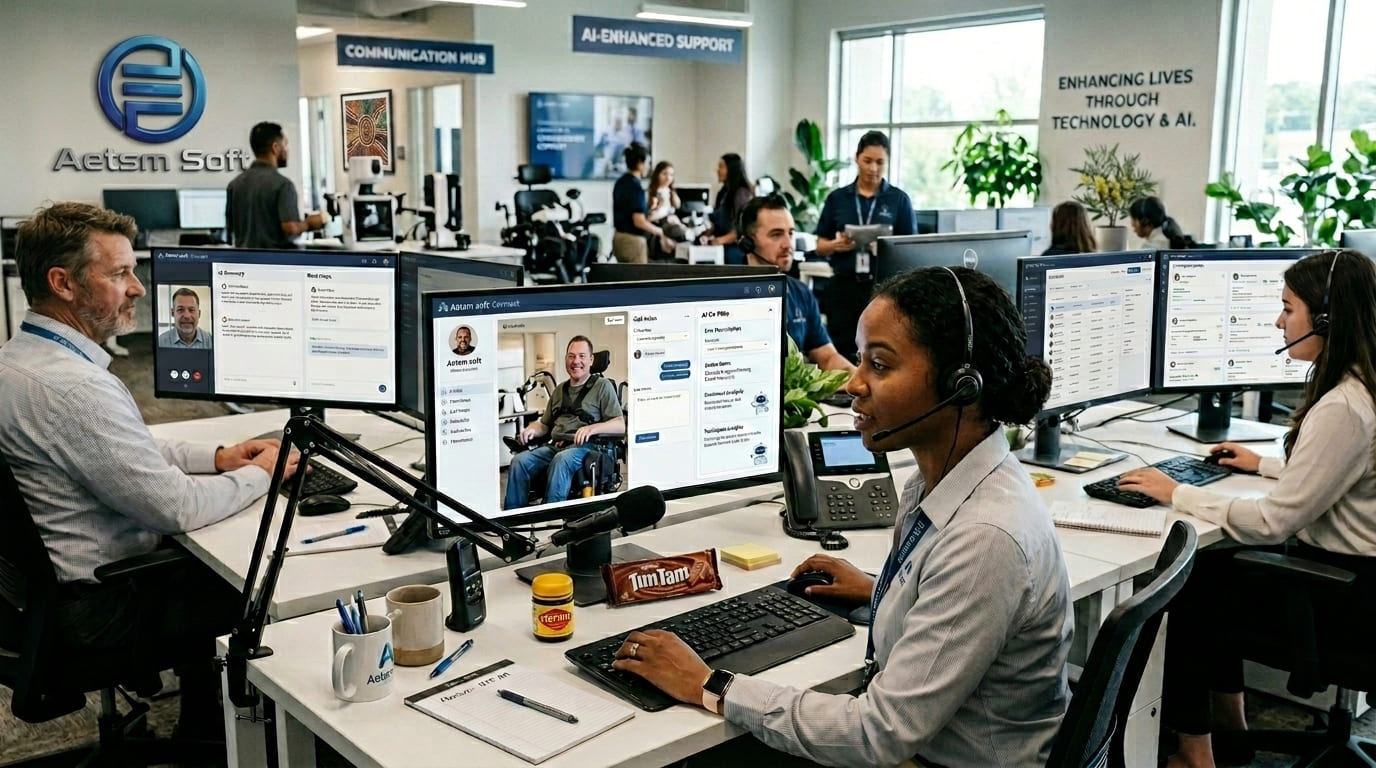
Why More Disability Support Providers Are Investing in Digital Systems
Families and caregivers increasingly expect fast communication, reliable scheduling, transparent updates, and easier access to support information.
Common operational challenges often include:
- missed participant calls during busy hours
- delayed callbacks and follow-ups
- appointment scheduling conflicts
- repetitive administrative work
- staff coordination delays between shifts
- difficulty tracking communication history
Many providers are discovering that improving communication systems can significantly reduce operational friction without changing the human side of care.
Digital Care Management Systems
Healthcare organisations often invest in secure digital workflow and automation systems to improve operational efficiency and reduce manual administrative tasks.
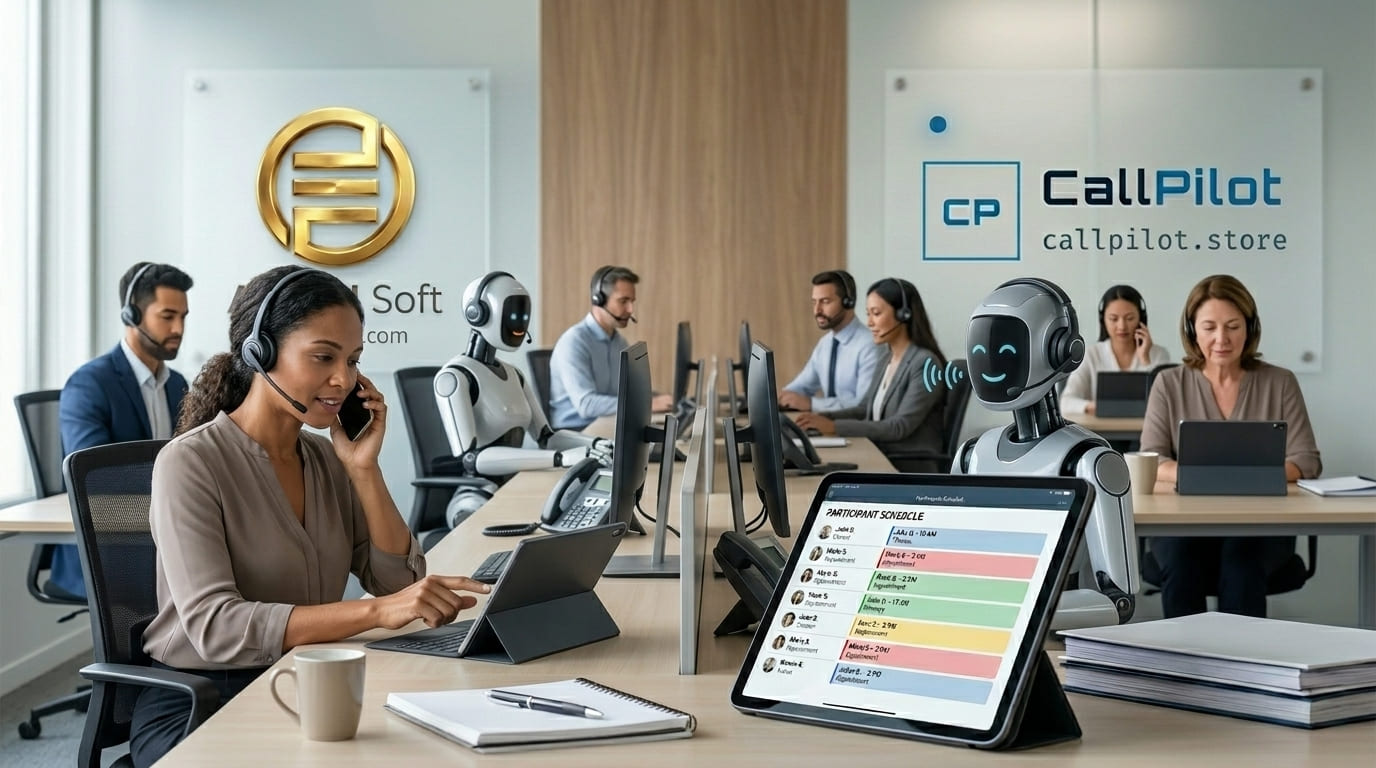
Communication Delays Often Affect Families More Than Providers Realise
For families navigating disability support services, delayed communication can quickly create frustration and uncertainty.
Platforms such as CallPilot are helping businesses improve communication handling through smart call routing, automated workflows, and organised support coordination systems.
- route urgent participant calls faster
- reduce missed inquiries after business hours
- improve follow-up consistency
- organise communication records efficiently
- reduce repetitive manual tasks
- improve coordination between support workers
Accessibility and Website Quality Now Influence Trust Early
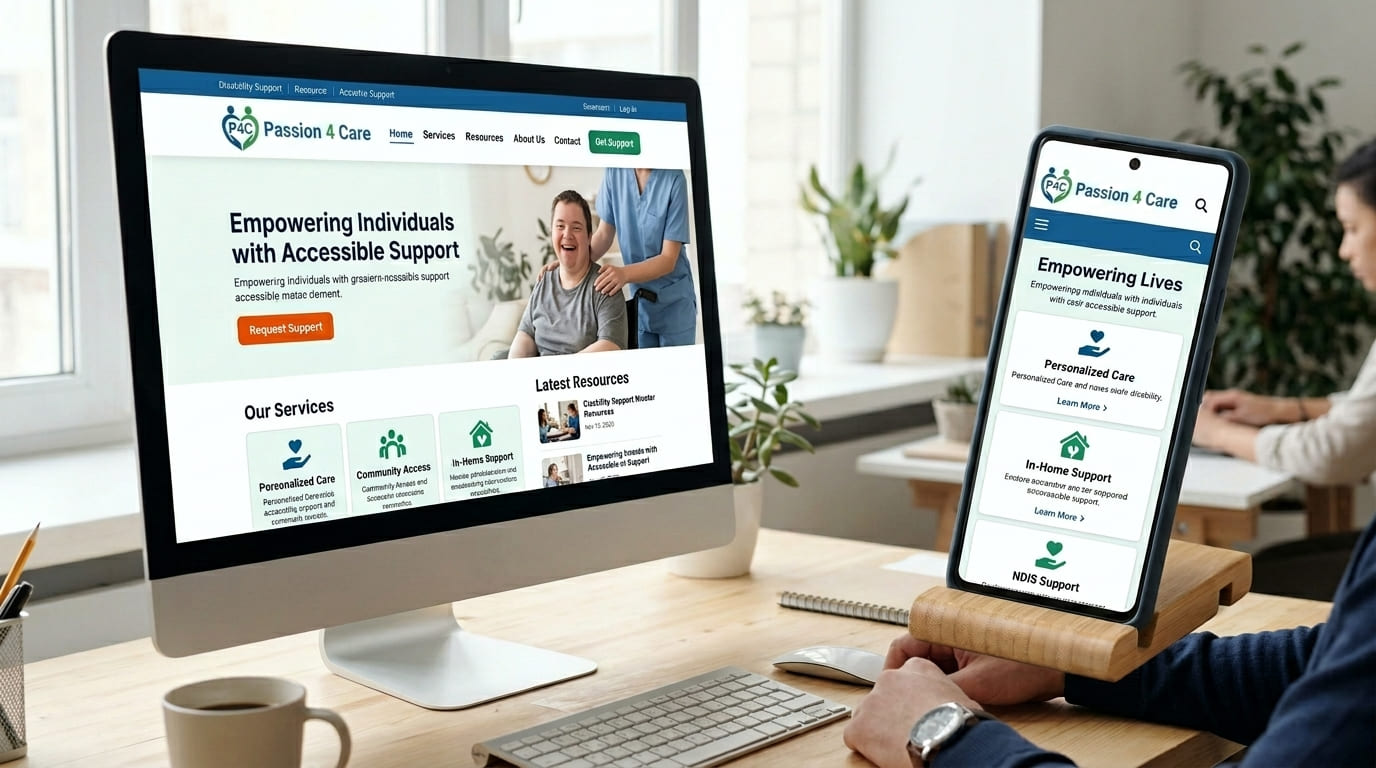
Before contacting a disability support provider, many families first evaluate the organisation through its website and online presence.
- mobile-friendly websites
- accessible navigation structures
- fast-loading pages
- clear service information
- secure online systems
- simplified contact options
Technology companies such as AETSM Soft help businesses improve website performance, digital infrastructure, and online usability.
Smaller Providers Are Often Adapting Faster Than Larger Organisations
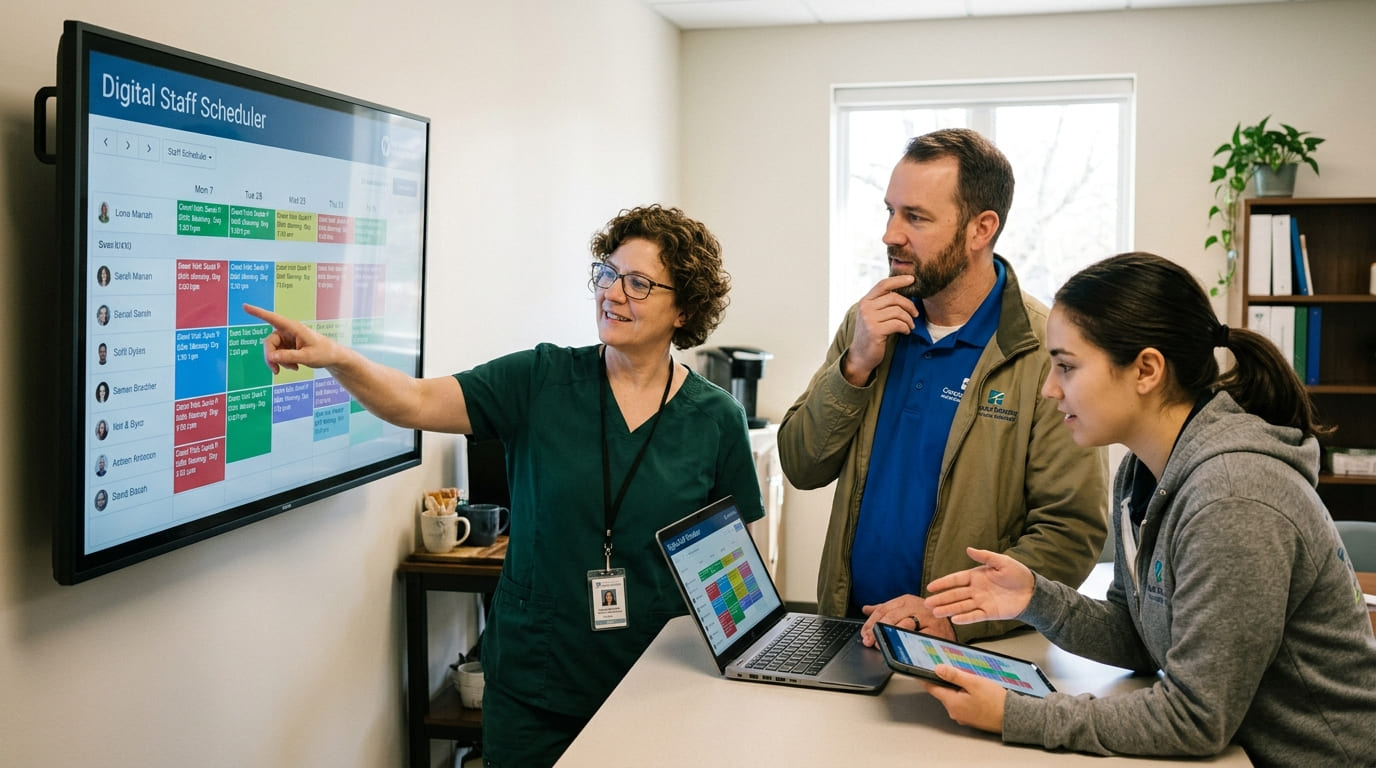
Many smaller disability support providers are adopting operational technology faster than larger organisations.
- digital participant coordination systems
- automated scheduling reminders
- staff communication platforms
- centralised support records
- online intake systems
- streamlined callback management

Educational Content Is Becoming More Important for Providers
Families and caregivers increasingly research disability support services online before making decisions.
- NDIS support planning
- caregiver support resources
- communication strategies
- assistive technology
- participant wellbeing
- service comparisons
Platforms such as BlogVora publish informational content designed to help users better understand digital systems and practical online solutions.
Technology Cannot Replace Human Care
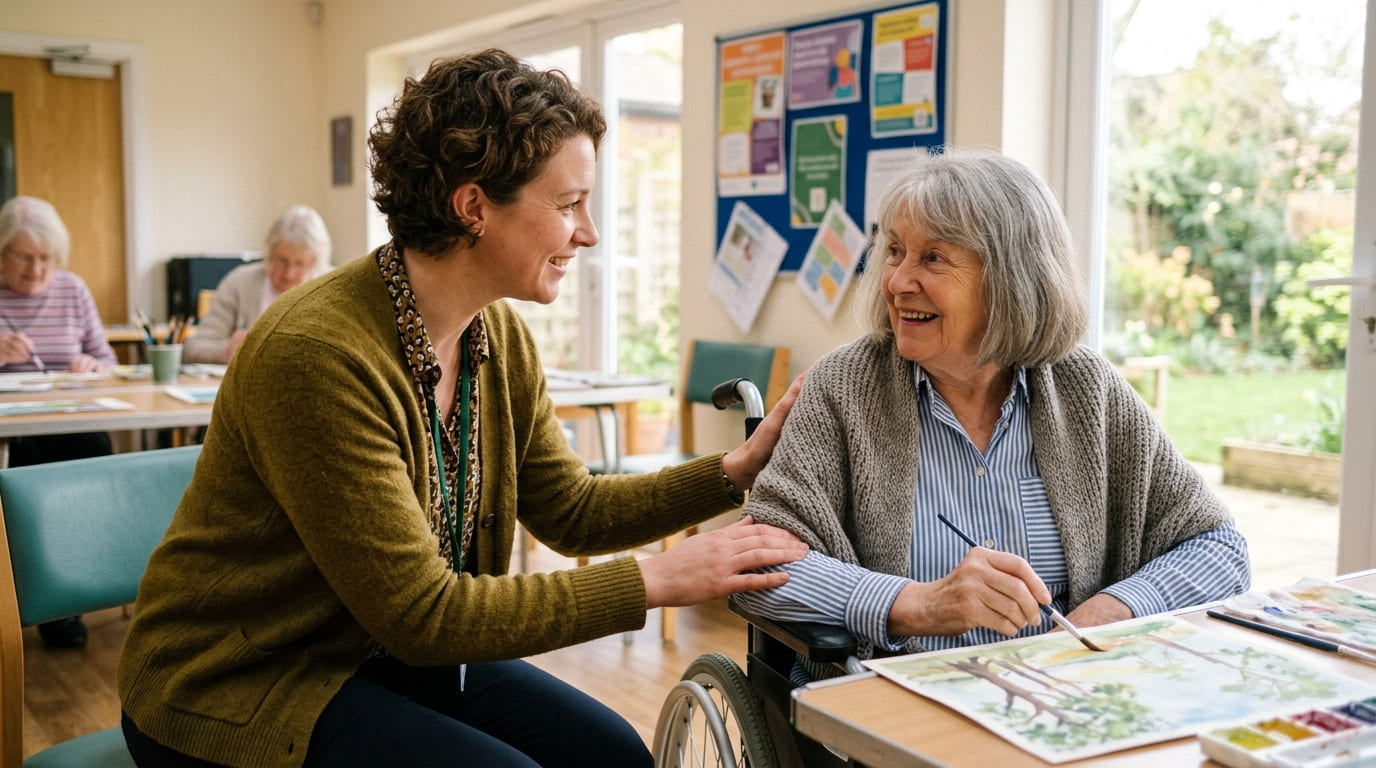
While digital systems continue improving operational efficiency, the human side of disability support remains the most important part of quality care.
Technology works best when it helps providers become more organised and responsive without removing the personal connection participants rely on.
Frequently Asked Questions
Can technology replace disability support workers?
No. Most modern systems are designed to support staff operations rather than replace human care.
Why is communication so important in disability support?
Families rely on timely updates, consistent coordination, and reliable responses when managing participant care.
What technologies are disability providers using in 2026?
Many providers are adopting communication management systems, automated scheduling tools, and workflow automation platforms.
Do smaller providers benefit from digital systems too?
Yes. Smaller providers often adapt faster because they can implement workflow improvements more quickly.
Final Thoughts
Technology is no longer simply an optional upgrade for disability support providers.
Providers that combine compassionate care with practical digital systems are likely to build stronger trust, more reliable communication processes, and more sustainable long-term support services across Australia.
Compassionate Disability Support Services
Passion 4 Care is committed to helping individuals live with greater independence, dignity, and confidence through personalised disability support services across Australia.
Contact Our Team